
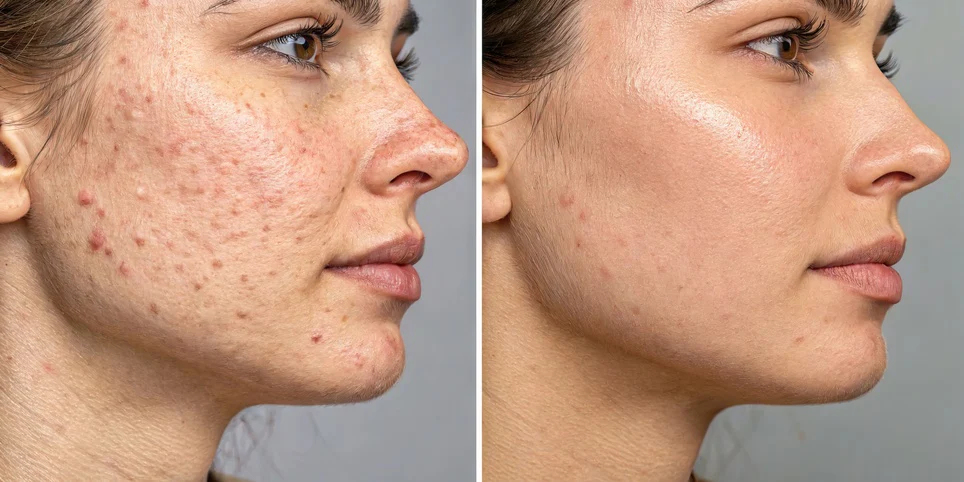
Microneedling Before and After: Microneedling has become one of the most talked-about skincare treatments in the beauty world, and for good reason. It offers a non-invasive yet highly effective way to rejuvenate the skin and improve concerns like texture, scars, and overall dullness. If you’ve been considering microneedling but want a deeper understanding of what really happens before and after the treatment, this comprehensive guide has you covered. Here, you’ll find expanded explanations, clear insights, and realistic expectations—all delivered in a conversational and easy-to-understand style. Think of this as your personal roadmap to navigating microneedling with confidence and clarity.
What Is Microneedling?
How the Procedure Works
Microneedling involves using a specialized device equipped with tiny, sterile needles that create micro-injuries on the skin’s surface. While the word “injury” might sound scary, these microchannels are incredibly small and controlled, stimulating your skin’s natural healing abilities. Once the skin senses these micro-injuries, it jumpstarts collagen and elastin production—the two essential proteins responsible for giving your skin firmness, elasticity, and a youthful bounce. Picture it like aerating the soil in a garden: once the soil is broken up, it breathes better, absorbs more nutrients, and allows new growth the chance to flourish. That’s essentially what microneedling does for your skin.
Benefits for Skin Health
Microneedling Before and After: Microneedling offers a variety of skin benefits, making it a popular treatment among people of different ages and skin types. Because it encourages collagen production, it can help smooth the look of fine lines and early wrinkles. It’s also effective at softening the appearance of acne scars, making it a favorite for those who have struggled with breakouts in the past and want to restore a more even texture. Additionally, microneedling can help minimize the look of enlarged pores, improve overall radiance, and reduce uneven pigmentation. Many people appreciate that the treatment uses the skin’s own healing power, creating a more natural-looking improvement compared to more invasive techniques.
Who It’s Best For
Microneedling is suitable for a wide range of individuals, especially those who prefer gradual, natural-looking results. It’s particularly beneficial for people dealing with mild to moderate texture concerns, early signs of aging, or shallow scarring. Many choose microneedling because it works well for various skin tones and doesn’t require extensive downtime. If you’re looking for a treatment that boosts your skin’s health from the inside out without dramatically altering your appearance overnight, microneedling may be an ideal option.

What to Expect Before Microneedling
Initial Consultation
Before booking your first session, most professionals begin with an in-depth consultation to understand your skin goals, medical history, and current skincare routine. This step helps determine whether you are a good candidate and allows the therapist or dermatologist to craft a customized treatment plan. You’ll have the chance to ask questions, discuss expected outcomes, and learn about the process. A good consultation sets the foundation for your overall results, so don’t rush through it—use it as an opportunity to get clarity and confidence.
Pre-Treatment Guidelines
Skincare Products to Avoid
Microneedling Before and After: In the days leading up to your session, you’ll typically be advised to avoid products that may irritate or sensitize your skin. This often includes exfoliating acids, retinoids, and strong active ingredients. The goal is to keep your skin as calm as possible so it responds well to the treatment. Think of it like preparing for an important workout—your body performs best when it’s rested and nourished, not stressed or overworked.
Sun Exposure Tips
Limiting sun exposure before microneedling is crucial because sunburned or irritated skin is not suitable for treatment. Even mild redness from UV exposure can affect your skin’s sensitivity levels. By staying protected and avoiding extended time in the sun, you give your skin the best chance to respond positively and recover quickly after the procedure.
How to Prepare Your Skin
Hydration plays a major role in preparing your skin for microneedling. Well-hydrated skin tends to respond better and heal more efficiently. Many professionals recommend drinking plenty of water and applying gentle moisturizers in the days leading up to your appointment. Keeping your skincare routine simple helps ensure your skin is calm and healthy before treatment begins.
The Microneedling Procedure
What Happens During the Session
When you arrive for your appointment, the professional will begin by cleansing your skin thoroughly to remove any oils, makeup, or impurities. A numbing cream is usually applied to keep you comfortable throughout the procedure. Once your skin is ready, the microneedling device is gently pressed and glided across your face or the targeted area. The process is fairly quick, depending on the size of the area being treated. While it might look intimidating at first, most people are surprised by how manageable and straightforward the experience is.
Does Microneedling Hurt?
Many people describe microneedling as mildly uncomfortable rather than painful. The numbing cream significantly reduces most of the sensation, leaving only a light prickling feeling. The intensity can vary depending on the needle depth chosen for your treatment plan, but overall, it’s generally tolerable for most individuals. If you’ve ever had eyebrow threading or waxing, microneedling feels much more controlled and less intense in comparison.
Types of Microneedling (Basic Overview)
Microneedling Before and After: There are different variations of microneedling, including traditional mechanical devices and advanced versions that combine microneedling with radiofrequency. Each type offers unique benefits and can be customized to your skin concerns. During your consultation, your provider will help determine which type is best suited for your needs, ensuring you get the most effective results.
What to Expect Immediately After Microneedling
Redness
Immediately after your microneedling session, your skin will likely appear red, similar to a moderate sunburn. This is completely normal and usually fades within 24 to 48 hours. The redness is simply a sign that your skin is beginning the natural healing process triggered by the microneedling treatment.
Sensitivity
Your skin may feel more sensitive than usual, especially when touched. Some people describe a warm or slightly tight sensation. This sensitivity is temporary and typically resolves within a day or two. It’s best to be gentle with your skincare routine during this time to avoid unnecessary irritation.
Common Short-Term Reactions
Microneedling Before and After: Aside from redness and sensitivity, you might experience mild swelling, dryness, or flaking as your skin begins to repair itself. These reactions are typical and should not be a cause for concern. As your skin continues to renew, you’ll start noticing improvements in texture and radiance.
Microneedling Results Timeline
24 Hours After
Within the first day, the redness begins to fade, and your skin may feel slightly tight or warm. Most people resume normal activities shortly after treatment, although it’s recommended to avoid strenuous exercise or sweating for the first 24 hours to prevent irritation.
1 Week After
Around the one-week mark, many individuals notice a soft glow as the skin begins to heal and respond to the treatment. Dryness or flaking may occur as dead skin cells shed to make way for new, healthier skin. This is a positive sign that the renewal process is underway.
1 Month After
By the one-month point, collagen production increases, leading to more noticeable improvements in skin texture, tone, and firmness. Fine lines may appear softened, and overall radiance becomes more apparent. For many, this is when the real transformation begins.
Long-Term Improvements
As you continue with additional sessions, the long-term benefits become even more visible. Smoother texture, refined pores, reduced scars, and a firmer complexion develop as the skin continues to regenerate. The cumulative effect of regular treatments often leads to lasting improvements.
Before and After Microneedling Results
Skin Texture Changes
One of the most noticeable benefits after microneedling is smoother and more even skin texture. Rough patches, mild scarring, and uneven areas gradually soften as new collagen forms beneath the skin. Over time, your skin may feel more supple and youthful.
Pore Size Appearance
Many people turn to microneedling specifically for minimizing the appearance of enlarged pores. While pores cannot shrink physically, microneedling helps strengthen the surrounding skin structure, making pores appear smaller and less noticeable.
Acne Scars and Fine Lines
Microneedling often delivers impressive improvements in shallow acne scars and early fine lines. The repeated stimulation of collagen helps fill in scar depressions and soften wrinkles, creating a more uniform appearance. While deep scars may require multiple sessions, many people experience a visible transformation even within the first few treatments.
Realistic Expectations
While microneedling can provide remarkable improvements, it’s important to maintain realistic expectations. Results vary depending on skin type, age, and concerns. Microneedling enhances your natural skin quality rather than drastically changing your appearance overnight. With consistency, however, the improvements can be both noticeable and long-lasting.
Post-Treatment Care
General Skincare Tips
Microneedling Before and After: After your session, gentle skincare is key. Avoid harsh cleansers or scrubs and focus on hydration and soothing products. Keeping your skin moisturized and protected helps accelerate healing and maximize results.
Products Typically Recommended Post-Treatment
Many professionals recommend using simple, hydrating serums, fragrance-free moisturizers, and sunscreen. These products help calm the skin and support the regenerative process.
Things to Avoid After Your Session
It’s best to avoid sun exposure, heavy workouts, active skincare ingredients, and makeup for at least 24 hours. This reduces the risk of irritation and ensures your skin heals properly without unnecessary stress.
How Many Sessions Do You Need?
Mild Skin Concerns
If you’re addressing minor texture issues or want to boost radiance, two to three sessions may be enough to achieve noticeable results.
Acne Scarring
For more stubborn concerns like acne scars, multiple sessions—often four to six—may be recommended for deeper improvements.
Anti-Aging Goals
For long-term anti-aging maintenance, many people choose to book microneedling treatments every few months to support collagen production and keep the skin looking fresh.
Microneedling vs. Other Skin Treatments
Microneedling vs. Chemical Peels
Chemical peels exfoliate the outer layers of the skin, while microneedling works deeper, stimulating collagen from within. Both offer benefits, but microneedling is often preferred for addressing deeper texture concerns.
Microneedling vs. Laser Treatments
Laser treatments can be more intense and require more downtime, while microneedling offers gradual results with less recovery time. Lasers may be better for severe concerns, but microneedling is ideal for individuals seeking a gentler approach.
Microneedling vs. Dermaplaning
Microneedling Before and After: Dermaplaning exfoliates the surface and removes peach fuzz, giving instant smoothness, while microneedling focuses on internal rejuvenation. Many people combine both for a layered skincare approach.
Frequently Asked Questions About Microneedling
Is Microneedling Safe?
When performed by a trained professional, microneedling is considered safe and effective. Proper hygiene and technique are crucial for ensuring a positive experience.
How Much Does Microneedling Cost?
Costs vary based on location, provider, and the type of device used. Packages are often available for multiple sessions.
Can You Do Microneedling at Home?
At-home rollers exist, but they typically do not penetrate the skin deeply enough to provide professional-level results. Professional treatments also ensure better safety and precision.
Who Should Avoid Microneedling?
Individuals with active skin infections, severe acne, or certain medical conditions may be advised against microneedling. A professional consultation is essential.
How Soon Do You See Results?
Some results appear within a week, but the most dramatic improvements usually develop gradually over several months.
Conclusion
Microneedling is a powerful and versatile treatment that enhances the skin’s natural beauty by boosting collagen production and supporting long-term renewal. Understanding what to expect before and after treatment can help you confidently approach your sessions and enjoy the journey toward smoother, brighter, and healthier-looking skin. Whether you’re dealing with texture concerns, mild scarring, or early signs of aging, microneedling offers a proven path to visibly refreshed and rejuvenated skin.
5 Unique FAQs
1. Can microneedling improve dull skin?
Yes, microneedling stimulates renewal, often leaving the skin brighter and more refreshed.
2. How soon can you wear makeup again?
Most professionals recommend waiting at least 24 to 48 hours before applying makeup to allow the skin to settle.
3. Will microneedling make my skin peel?
Light flaking is common as old skin cells shed and new ones form.
4. Can microneedling help with uneven skin tone?
Yes, many people notice more even tone and clarity after multiple sessions.
5. Is microneedling suitable for sensitive skin?
It can be, but an expert consultation is essential to determine suitability and tailor settings.