
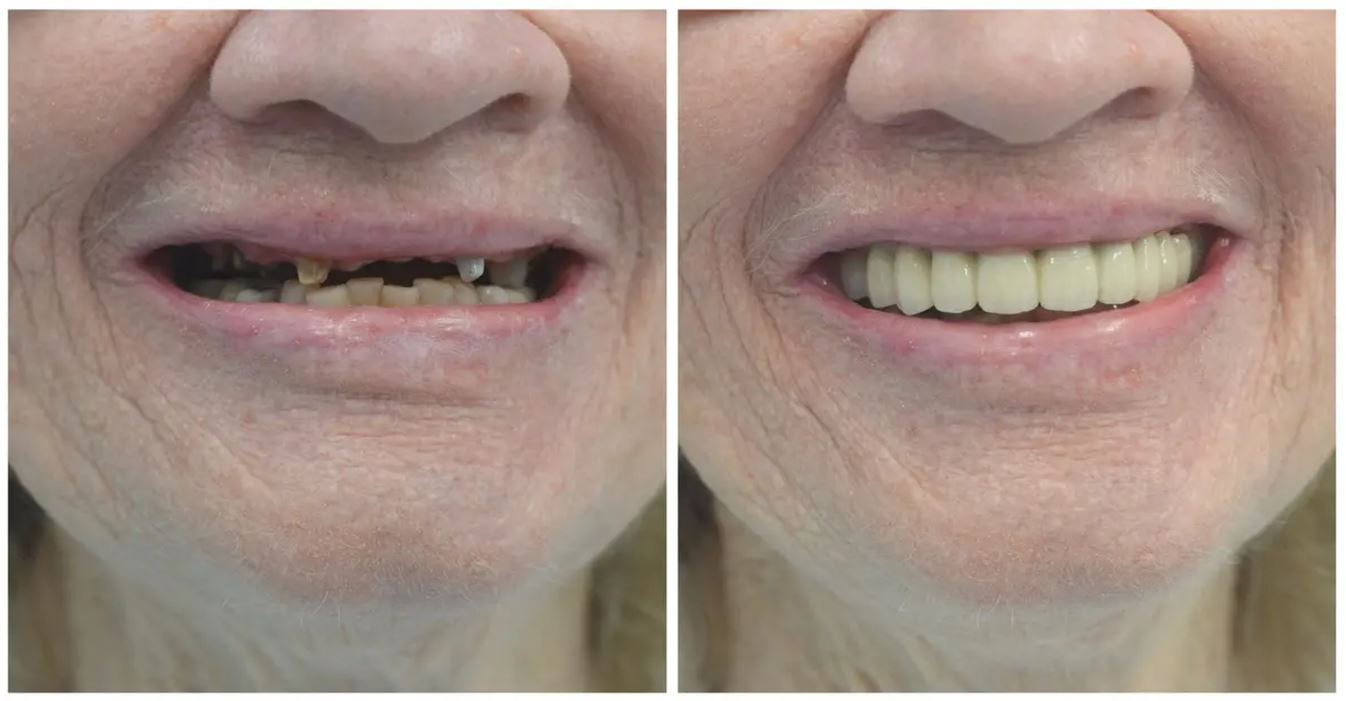
Understanding Tooth Loss and Why Replacement Matters
Dental Bridge vs Implant: Tooth loss is more than just a cosmetic hiccup; it’s like removing a key brick from a carefully built wall. Everything around it starts to shift, weaken, and eventually suffer. When a tooth goes missing, neighboring teeth may drift into the empty space, your bite can become uneven, and everyday activities like chewing or speaking might suddenly feel awkward. Beyond the physical effects, tooth loss can quietly chip away at confidence, making people hesitant to smile or speak freely. Replacing a missing tooth isn’t about vanity; it’s about restoring balance, function, and comfort to your mouth. Two of the most common solutions are dental bridges and dental implants, and choosing between them can feel overwhelming without clear, honest information.
What Is a Dental Bridge?
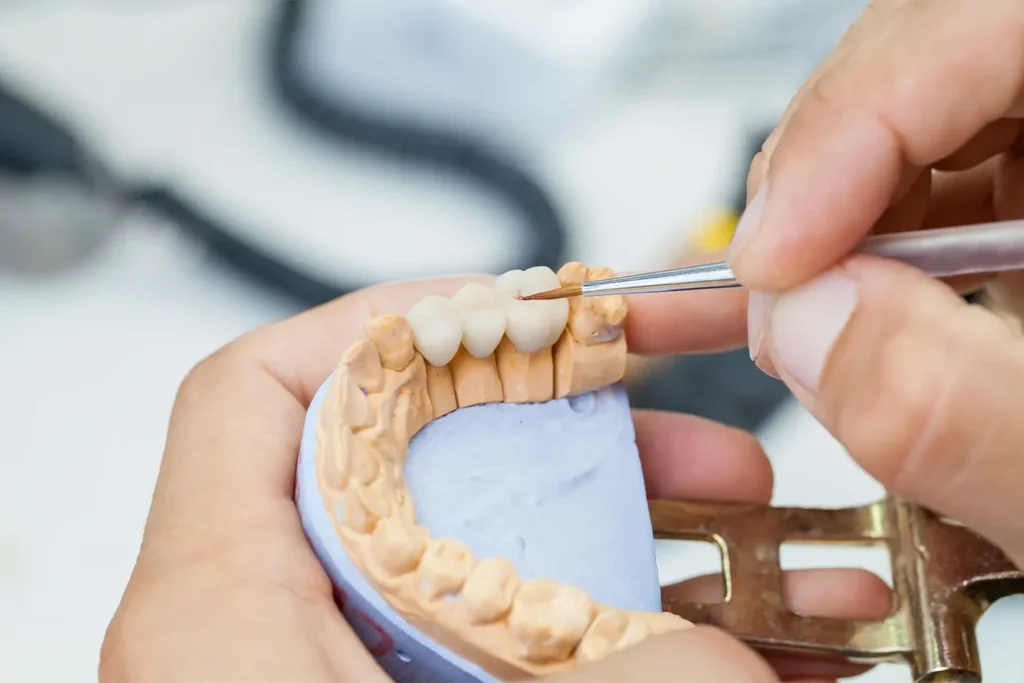
A dental bridge does exactly what its name suggests—it bridges the gap left by a missing tooth. It relies on the teeth adjacent to the empty space, called abutment teeth, to hold an artificial tooth in place. These neighboring teeth are typically reshaped to support crowns, which anchor the bridge securely. Dental bridges have been around for decades, making them a familiar and trusted option in restorative dentistry. They offer a relatively quick fix for missing teeth and can restore basic chewing function and appearance efficiently. However, because a bridge depends on surrounding teeth, it’s important to understand how this choice affects the long-term health of your mouth.
Types of Dental Bridges
Dental Bridge vs Implant: Dental bridges come in a few different styles, each suited to specific situations. A traditional dental bridge is the most common and uses crowns on both sides of the missing tooth. Cantilever bridges are used when there’s only one adjacent tooth available for support, while Maryland bridges use a metal or porcelain framework bonded to the backs of neighboring teeth. Each type has its own strengths and limitations, and the right choice depends on tooth location, bite pressure, and overall oral health.
What Is a Dental Implant?
A dental implant is often described as the closest thing to a natural tooth replacement, and for good reason. It consists of a titanium post surgically placed into the jawbone, acting like an artificial tooth root. Once the implant integrates with the bone, a crown is attached on top, creating a stable, realistic-looking tooth. Unlike bridges, implants stand alone and don’t rely on neighboring teeth for support. This independence is a major advantage, especially for long-term oral health. While the process takes longer and involves surgery, dental implants are designed to function, feel, and look like real teeth.
How Implants Mimic Natural Teeth
Dental implants fuse with the jawbone through a process called osseointegration. Think of it like planting a tree whose roots grow deep into the soil, providing strength and stability. This bond allows implants to handle chewing forces just like natural teeth, making them incredibly durable and comfortable.
Dental Bridge vs Implant: Core Differences
When comparing dental bridge vs implant, the biggest differences lie in how they’re placed and how they interact with the rest of your mouth. A dental bridge typically requires reshaping healthy teeth, which can compromise their structure. An implant, on the other hand, leaves surrounding teeth untouched. Treatment time also differs significantly. Bridges can often be completed in a few weeks, while implants may take several months due to healing and integration. These fundamental differences often guide patients toward one option over the other based on urgency, budget, and oral health priorities.
Durability and Longevity Compared
Durability is where dental implants truly shine. A well-maintained dental bridge may last 10 to 15 years before needing replacement. Dental implants, however, can last 25 years or more, often for a lifetime with proper care. Bridges are more vulnerable to decay in supporting teeth and wear over time. Implants, being anchored in bone, offer unmatched stability and resistance to everyday stress. If you’re thinking long-term and want a solution that ages gracefully, implants tend to win this round convincingly.
Cost Comparison: Short-Term vs Long-Term Value
At first glance, dental bridges usually appear more affordable. Their upfront cost is lower, and insurance often provides better coverage. Dental implants cost more initially due to surgery and materials involved. However, when you zoom out and consider long-term expenses, implants often offer better value. Bridges may require replacement, repairs, or treatment of supporting teeth, adding to overall costs. Implants, while expensive upfront, typically involve fewer ongoing expenses. It’s like choosing between renting and owning—one costs less now, the other pays off over time.
Aesthetic Results and Natural Feel
Dental Bridge vs Implant: Both options can look great, but implants tend to feel more natural. A dental bridge can restore a smile effectively, but it may not perfectly mimic the feel of a real tooth. Implants integrate with your jawbone, offering a secure, natural bite that feels like it’s always been there. There’s no shifting, no awkward pressure, just confidence when eating or speaking. For people who value comfort and realism, implants often deliver a superior experience.
Oral Health and Bone Preservation
One major downside of dental bridges is that they don’t stimulate the jawbone beneath the missing tooth. Over time, this can lead to bone loss, altering facial structure and gum health. Dental implants actively prevent this by stimulating the jawbone, maintaining its density and strength. This preservation plays a crucial role in long-term oral health, especially as you age. Choosing an implant isn’t just about replacing a tooth; it’s about protecting the foundation beneath it.
Recovery Time and Aftercare
Dental Bridge vs Implant: Dental bridges usually involve minimal recovery. Most patients return to normal activities quickly, with some mild sensitivity. Dental implants require a longer healing period due to surgery, but discomfort is generally manageable. Aftercare for both options involves good oral hygiene, but implants don’t require special cleaning tools beyond regular brushing and flossing. Bridges may need additional care to clean underneath the artificial tooth. Patience during implant recovery often pays off with lasting comfort and reliability.
Who Is an Ideal Candidate for Each Option?
Dental bridges are often best for individuals with healthy adjacent teeth who want a faster, less invasive solution. Dental implants are ideal for those with good bone density, healthy gums, and a desire for a permanent solution. Lifestyle factors, medical conditions, and budget also influence candidacy. A thorough dental evaluation helps determine which option aligns best with your needs and expectations.
Pros and Cons at a Glance
Dental bridges offer speed and lower upfront cost but rely heavily on surrounding teeth. Implants provide durability, bone preservation, and a natural feel but require surgery and patience. There’s no universal winner; the right choice depends on what matters most to you—time, cost, longevity, or overall oral health.
Making the Final Decision
Choosing between a dental bridge vs implant isn’t just a dental decision; it’s a lifestyle one. Consider how long you want the solution to last, how comfortable you are with surgery, and how much maintenance you’re willing to commit to. Talking openly with a dental professional can clarify expectations and help you feel confident in your choice.
Conclusion
Dental Bridge vs Implant: When it comes to replacing missing teeth, both dental bridges and implants offer effective solutions with distinct advantages. Bridges provide a quicker, more affordable fix, while implants deliver long-term stability and natural function. Understanding the differences empowers you to make a choice that supports not just your smile, but your overall oral health. The best decision is the one that fits your needs today and protects your confidence tomorrow.